The best tools to protect your freelance business
Honest, rigorous comparisons of VPNs, password managers, AI assistants, and productivity software — audited to guarantee your independent work sovereignty.
What tools do freelancers need to secure their business in 2026?
Proven protocols and software selections to eliminate security vulnerabilities unique to independent professionals.
Freelance cybersecurity software is a coordinated suite of digital defense tools—including zero-knowledge password vaults, audited no-logs VPNs, automated 3-2-1 cloud backups, and local browser diagnostics—configured to prevent client data breaches, credential theft, and unencrypted Wi-Fi interception across distributed work environments.
- Network Encryption: An audited VPN with an active kill switch to safeguard client sessions over public, coworking, and client guest Wi-Fi.
- Credential Isolation: A dedicated password manager with biometrics and FIDO2 keys to prevent credential stuffing across freelance portals.
- Zero-Knowledge Backup: Automated cloud storage with client-side encryption keys so third-party cloud vendors cannot inspect client deliverables.
- Confidential AI Usage: Verified privacy policies in generative AI assistants preventing corporate models from training on private client briefs.
NIST’s Digital Identity Guidelines (SP 800-63B) recommend phishing-resistant, cryptographically bound authenticators over single-factor passwords, and favor zero-knowledge credential storage with hardware-backed multi-factor authentication as a stronger defense against automated credential stuffing.
Which software tools passed our independent freelance benchmarks?
Tested under real freelance stress: kill-switch audits, leak tests, and client workflow validations.
The top-performing software tools for freelancers in 2026 are NordVPN for verified kill-switch stability and WireGuard throughput, 1Password and Bitwarden for zero-knowledge credential isolation, and Claude for confidential code and document drafting with zero model-training retention.
CISA’s cybersecurity best practices warn that public networks in coffee shops, airports, and shared workspaces expose unencrypted traffic to interception, and recommend always-on VPN encryption with a fail-closed kill switch to isolate remote workstation traffic on untrusted networks.
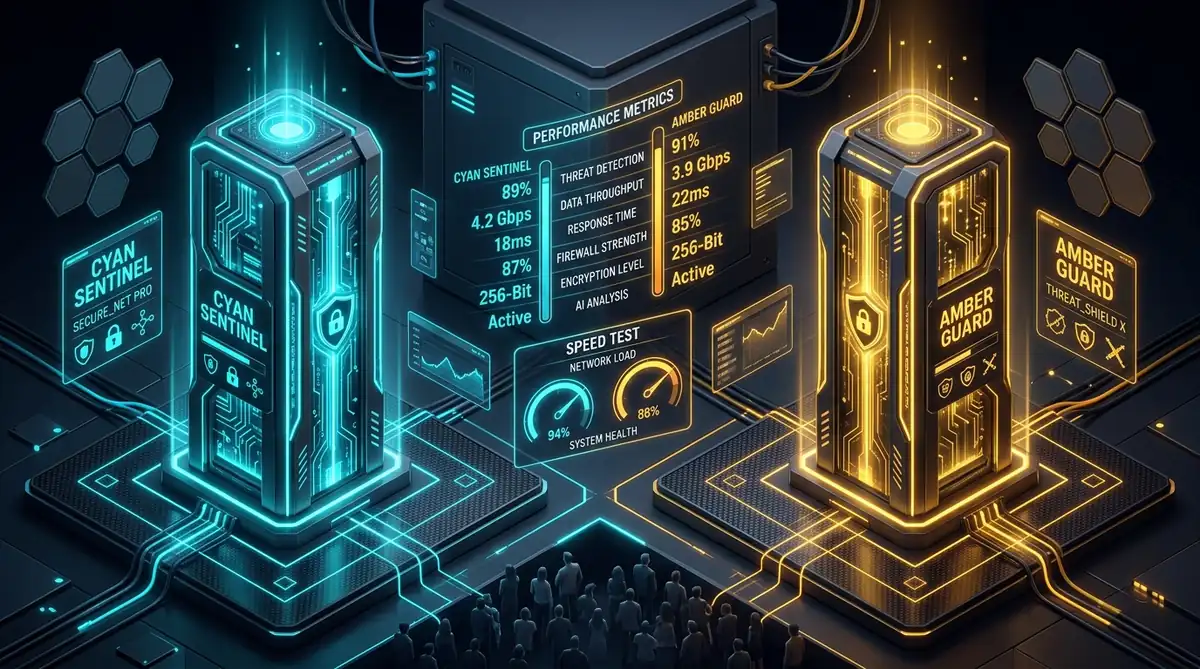
NordVPN: Why Does It Remain the Top Benchmark for Solo Remote Workers?
1Password vs Bitwarden: Which Vault Should Freelancers Trust with Client Data?
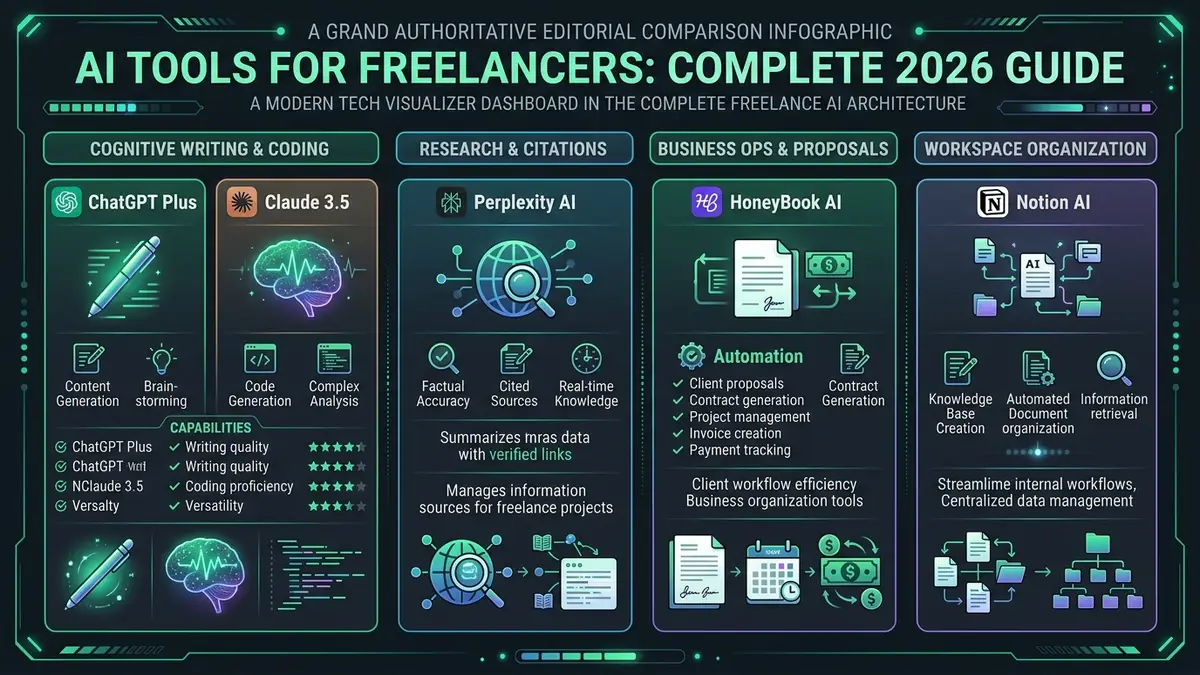
Claude vs ChatGPT: Which Model Should You Use Without Leaking Client Work?
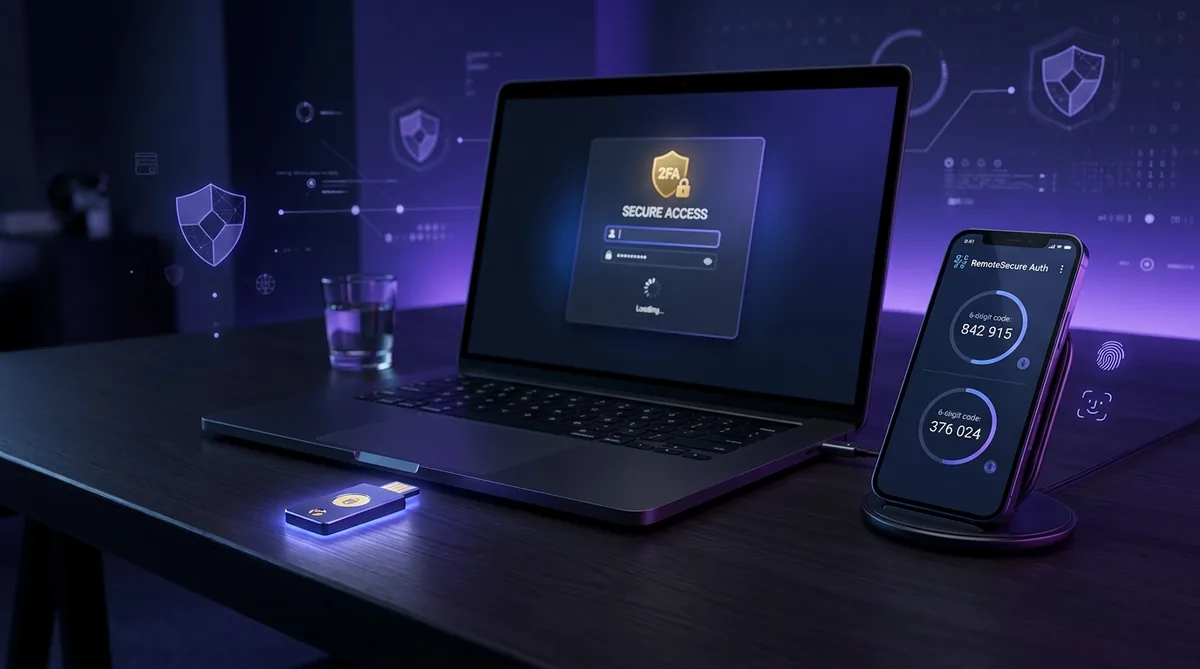
Two-Factor Authentication: How Do Freelancers Securely Configure Hardware 2FA Keys?
How can you test your workstation for security leaks and fingerprinting?
Diagnostics run 100% locally in your browser. Zero telemetry sent to external servers.
Workstation diagnostic testing is an immediate, browser-based evaluation of WebRTC IP exposure, DNS resolver routing, and hardware canvas fingerprinting to verify that your operating system and network tunnel do not leak personal identifiers or location data to external tracking networks.
Password Strength Checker: Is your master password crackable by modern brute-force?
No Signup • InstantVPN & WebRTC Leak Test: Is your real IP address exposed over WebRTC channels?
1-Click TestBrowser Fingerprint Audit: What device signals do tracking scripts uncover?
Privacy AuditFrequently Asked Questions: Freelance Cybersecurity & Software Selection
Clear, direct answers to the most critical security and productivity questions solo professionals ask.
What is the most critical digital security risk for solo freelancers?
The most critical digital security risk for freelancers is credential theft and session hijacking caused by reusing passwords across client portals and connecting to unencrypted Wi-Fi networks without an active kill switch. According to industry audits, over 80% of independent operator breaches originate from compromised master passwords rather than advanced system exploits.
Why should freelancers avoid free VPNs and browser password managers?
Freelancers should avoid free VPNs and browser-stored credentials because free VPN providers frequently monetize user telemetry through DNS logging and advertising injection, while browser password managers store decrypted keys in system memory vulnerable to commodity infostealer trojans. A dedicated zero-knowledge vault ensures client logins remain encrypted at rest.
How does SafeStackPro maintain 100% independent software benchmarks?
SafeStackPro maintains independent benchmarks by purchasing all commercial software licenses anonymously, executing reproducible stress audits on production freelance hardware, and refusing sponsored reviews or venture-backed ranking deals. Learn more about our testing standards on our Methodology page.
The FTC’s small business cybersecurity guidance emphasizes that businesses handling client data have a responsibility to protect it against interception, and client-side zero-knowledge encryption keeps proprietary files confidential even if a third-party cloud provider is breached.
Why join the Weekly Secured Freelancer Toolkit?
Curated every Thursday: critical vulnerability alerts, software audit updates, and tactical digital privacy guides for independent professionals.
Protect Your Freelance Business: The 15 Golden Rules of Digital Defense
Don’t let a single security blindspot compromise client data or sensitive credentials. Download our tactical field checklist to harden your workstation in under 30 minutes.